


Easy Ways to Turn a Nature Walk Into a Learning Activity for Preschoolers
- Apr 7
- 4 min read
Updated: Apr 9

Easy Ways to Turn a Nature Walk Into a Learning Activity for Preschoolers
Some of our best learning moments don’t happen at the table. They happen outside, in the middle of an ordinary day, when we step away from the routine and just start noticing what’s around us.
This post contains affiliate links. This means I earn a tiny commission when you use my links at no cost to you.
A simple nature walk for preschoolers, whether it’s around your yard, a park, or even just down the street, can turn into a meaningful learning activity without much planning at all. Nature naturally invites curiosity, questions, and conversation. When kids are curious, learning tends to follow.
We don’t go into it with a big plan. Most of the time, we’re just walking, talking, and paying attention. Over time, I’ve realized how many learning opportunities come from these simple moments.
Most of our walks include a few simple things we bring along. We usually have a little treasure bag, kid-friendly binoculars, and sometimes even small spray bottles. Nothing fancy, but these tools make it easy for kids to explore, collect, and stay engaged along the way.
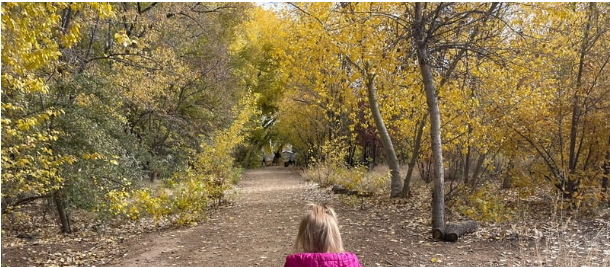
Start with the Weather
Before we even get very far, we usually talk about how the day feels.
Is it warm or cool?
Is the wind strong or gentle?
Can we feel the sun or are we standing in the shade?
As we walk, those things change, and we notice them. The shade feels cooler. The wind picks up. Clouds move across the sky.
These simple observations build awareness, vocabulary, and early science skills in a very natural way.


Notice Textures and Details
One of the easiest ways to slow down on a nature walk is to start noticing how things feel.
Tree bark is rough.
Rocks might be smooth or bumpy.
Leaves can be soft, dry, or crunchy.
We’ll stop and compare things. It can feel a little unnatural to slow down and pause so often when we’re used to constantly moving and getting somewhere, but this is where the magic really happens.
Which one feels softer?
Which one is heavier?
Which one is the smoothest?
These moments help kids develop observation skills and descriptive language while exploring their environment.


Collect and Count Along the Way
We almost always bring a small treasure bag with us for our walks.
Leaves, rocks, sticks, flowers, and pinecones if we are lucky, all seem to find their way into the bag. If we forget it, everything somehow ends up in my hands and pockets anyway.
Having a small basket or bag for collecting makes this part easier and gives kids a sense of purpose while exploring.
Once we collect a few items, we turn it into a simple math activity.
How many do we have?
Do we have more leaves or rocks?
Can we group them by size or color?
This is one of the easiest ways to add hands on math to your nature walk without any extra prep.
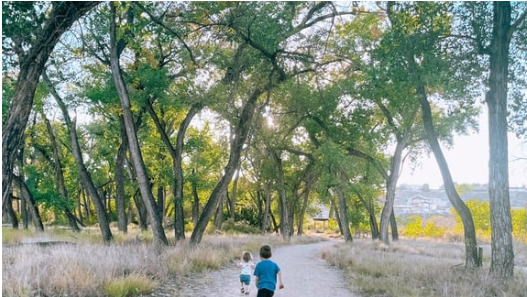
Practice Sounds and Simple Language
Nature is a great place to build early literacy skills in a natural way.
Sometimes I’ll say:
“Can you find something that starts with B?”
“Do you see anything that starts with S?”
Other times, we just describe what we see.
That’s a big tree.
That flower is yellow.
That bug is tiny.
These small conversations build vocabulary, confidence, and early language skills without it feeling like structured learning.

Slow Down and Look at the Little Things
Kids are so good at noticing the details we often miss.
A line of ants.
A tiny bug crawling across a leaf.
A flower that looks different from the others.
We’ll often use kid-friendly binoculars or a magnifying tool to take a closer look, which makes this part feel even more exciting.
How many legs does it have?
What color is it?
Is it moving fast or slow?
These moments encourage curiosity and help build early science skills.
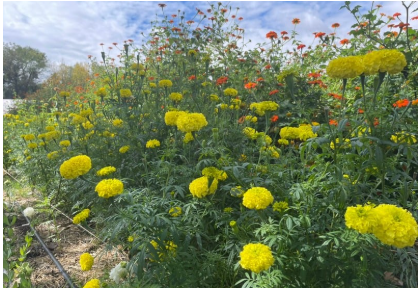
Talk About Caring for the Environment
Nature walks are also a great way to talk about caring for the environment.
We talk about:
being gentle with plants
leaving things where we found them
not picking every flower, leaving some for the bees
taking care of shared spaces
Sometimes we even bring spray bottles to gently water plants or rinse off rocks, which naturally leads to conversations about taking care of the world around us.

Bring It Back Home
When we get home sometimes we extend the activity.
We might:
sort everything into groups
line things up and compare sizes
create a simple nature collage
draw what we saw (this is a great way to start a little nature journal)

A Simple Way to Encourage Learning Through Play
Nature walks are one of the simplest ways to create hands on learning opportunities for preschoolers.
They don’t need to be structured or complicated to be meaningful. Some of the best learning happens when kids are free to explore, notice, and ask questions about the world around them.
And honestly, those are the moments that tend to stick the most.
Wonder grows best in slow moments, bunches of dandelions, and pockets full of rocks.


Comments